

The Worry After Jaw Surgery in Woodbridge VA
Ever wonder why some folks in Woodbridge VA heal fast after jaw surgery while others end up with problems like swelling or pain that just won’t quit? It’s not just bad luck—it’s about knowing what to expect and how to care for your jaw after surgery. If you’ve searched for jaw surgery complications Woodbridge VA, you’re already one step ahead.
Many people around neighborhoods like Lake Ridge, Dale City, and Minnieville worry after surgery—“Is this pain normal?” “Should it still be swollen?” Dr. Christine L. Mai and her team hear these questions all the time. The truth is, most complications can be prevented with the right care, good habits, and staying in touch with your dental team.
Let’s break down what really happens, what’s normal, and what’s not—so you can heal with confidence and less stress.
👉 Want a full recovery roadmap? Check out our complete guide to jaw surgery recovery in Woodbridge VA for faster healing.
Healing Without the Headache

At Christine L. Mai DDS PC, helping Woodbridge patients recover from jaw surgery safely is a big deal. Complications like swelling, infection, or nerve pain don’t just hurt—they can slow down recovery and make eating or talking uncomfortable.
But the good news? Most of these can be avoided. Dr. Mai’s office helps patients every week with simple, hands-on advice that makes healing easier. Whether you just had surgery or are preparing for one, it’s smart to know what to watch for.
👉 Book an appointment today to talk about your recovery plan — Schedule a visit here.
Before We Dive In: Why Complications Happen
Jaw surgery involves repositioning your bones and tissues to improve how your jaw fits and functions. Because it’s such a complex area—with nerves, muscles, and blood vessels—it’s natural for your body to need time to adjust. Most jaw surgery complications happen when post-op instructions aren’t followed carefully or when healing areas are disturbed too early.
Dr. Mai often reminds her Woodbridge VA patients that skipping even small steps—like rinsing, diet restrictions, or medication timing—can lead to infection, dry socket, or swelling after jaw surgery that lasts longer than it should. Other times, complications come from trying to get back to regular routines too soon.
The American Dental Association (ADA) and Virginia Dental Association (VDA) both recommend keeping in touch with your dentist through each stage of recovery. Regular check-ins, even short ones, can prevent minor issues from turning major.
Get the Right Care Early
If you’re feeling discomfort that doesn’t seem right, don’t wait it out. Dr. Christine Mai’s dental team in Woodbridge VA is always ready to help patients review their healing progress, check for any early complications, and recommend safe, effective next steps.
Getting the right care early can prevent bigger problems—like infections or nerve pain—from forming later.
You can easily find her at:
📍 13885 Hedgewood Dr STE 209, Woodbridge, VA 22193
📞 (571) 285-5023
Book an Appointment Here
Sometimes all it takes is a quick visit or call to calm your worries and make sure your jaw is healing right.
The 7 Most Common Jaw Surgery Complications (and How to Prevent Them)
Jaw surgery recovery takes time, patience, and a little teamwork between you and your dentist. Below are the seven most common jaw surgery complications Woodbridge VA patients experience—and simple ways to prevent them from slowing you down.
1. Swelling After Jaw Surgery

Swelling is the body’s natural way of protecting the surgical area. It usually peaks around the second or third day and then starts to go down. But if swelling continues or gets worse after a week, it could be a sign of infection or poor circulation.
Prevention Tips:
- Apply an ice pack or cold compress every 20 minutes during the first 48 hours.
- Keep your head slightly elevated, especially when sleeping.
- After three days, switch to warm compresses to improve blood flow.
- Avoid salty or spicy foods that can cause inflammation.
| What’s Normal | What’s Not Normal |
| Mild swelling that improves daily | Swelling that increases after 5–7 days |
| Slight bruising around the jaw | Redness, warmth, or pus near incisions |
If you’re unsure, visit Dr. Christine Mai’s office. Her team can quickly check if it’s part of normal healing or if antibiotics are needed.
- Infection After Jaw Surgery
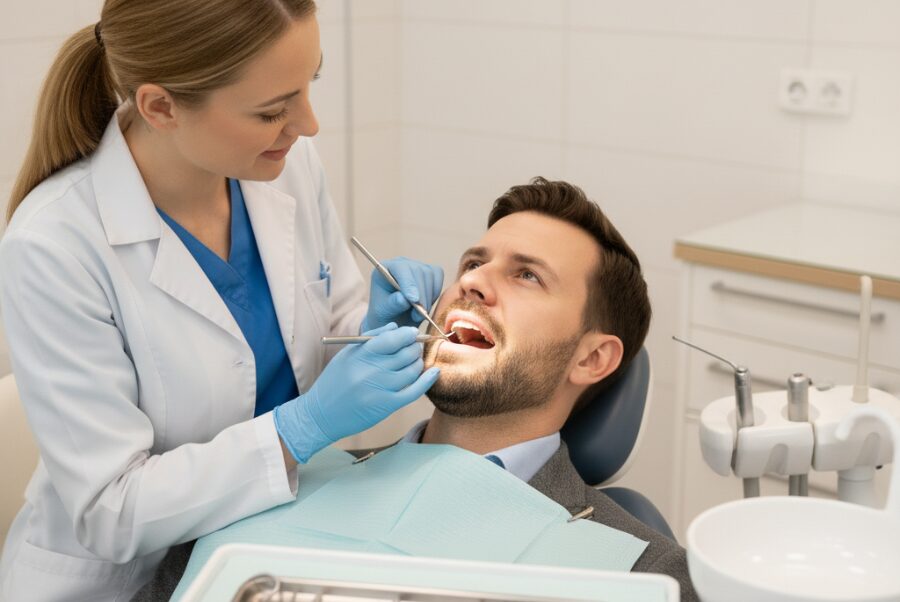
Even with good care, an infection can happen if bacteria get into small cuts or stitches. Signs include pain that worsens, yellowish discharge, or a bad taste in your mouth.
How to Prevent Infection:
- Rinse gently with salt water 2–3 times a day.
- Follow your dentist’s antibiotic instructions exactly.
- Avoid smoking—it slows down blood flow and healing.
- Keep your mouth clean but don’t scrub near surgical sites.
Pro Tip: The American Dental Association (ADA) recommends early dental checkups during recovery to spot infections before they spread.
If you notice swelling with a fever, contact Dr. Mai’s Woodbridge VA office right away for an evaluation.
3. Nerve Damage After Jaw Surgery
Jaw nerves can be sensitive during surgery, especially the lower lip and chin areas. It’s normal to feel some tingling or numbness for a few weeks.
What Helps:
- Avoid touching or massaging numb areas.
- Follow up with Dr. Mai if numbness lasts more than 3–4 weeks.
- Eat slowly and carefully—so you don’t bite your cheek without feeling it.
- Support your jaw gently when talking or yawning.
| Typical Recovery Time | What to Watch For |
| Tingling for up to 2 weeks | Complete numbness after 4+ weeks |
| Gradual sensation return | Sharp or electric-like pain |
Most nerve damage after jaw surgery improves naturally over time. Keeping follow-up visits ensures the nerves are healing properly.
4. Dry Socket After Jaw Surgery
Dry socket happens when the protective blood clot over the bone gets dislodged too soon. It’s extremely painful and delays healing.
How to Avoid It:
- Don’t drink from straws or spit forcefully.
- Avoid smoking or vaping for at least 7 days.
- Stick to soft or liquid foods—soups, yogurt, and mashed potatoes are great.
- Follow post-op cleaning advice carefully.
Dry Socket Symptoms:
- Sudden, throbbing pain a few days after surgery
- Visible bone in the socket
- Bad odor or taste in the mouth
Tip from Dr. Mai: If the pain feels deep or spreads to your ear, call the office immediately. It’s easier to treat early with a medicated dressing.
5. Excessive Bleeding or Bruising
A little bleeding is totally normal after surgery. But if it doesn’t stop or looks heavy, you need to act fast.
Immediate Steps:
- Gently bite down on clean gauze for 20–30 minutes.
- Avoid rinsing or spitting too much—it can dislodge healing clots.
- Skip hot foods and drinks for the first few days.
- Use ice packs to reduce pressure.
| Normal Signs | Warning Signs |
| Light oozing that fades | Heavy bleeding or clots |
| Mild bruising on cheeks | Large, dark bruises or pain that worsens |
If you’re on blood thinners or have medical conditions, tell your dentist before surgery. Dr. Mai will plan around it to keep you safe.
6. Jaw Stiffness or Pain That Doesn’t Ease Up
Jaw stiffness happens because your muscles and joints have been stretched and moved during surgery. It’s one of the more annoying side effects—but it usually improves with gentle care.
Ease the Stiffness:
- Try gentle mouth-opening exercises approved by your dentist.
- Use warm compresses 2–3 times a day.
- Stick to soft foods like scrambled eggs, soups, and mashed fruits.
- Avoid clenching your teeth or chewing gum.
Pain Relief Options:
| Medication | Purpose |
| Over-the-counter pain meds (Tylenol, Advil) | Reduce soreness |
| Prescribed medication | Manage stronger pain |
| Natural remedies (warm salt rinse) | Soothe mild discomfort |
If you notice the pain worsening instead of improving, call Christine L. Mai DDS PC for a quick checkup.
7. Delayed Bone Healing
Some people’s bones take longer to fuse or strengthen after surgery, especially if diet or rest are lacking.
Boost Healing with These Tips:
- Eat protein-rich foods like eggs, fish, or tofu.
- Take vitamins D and C if approved by your dentist.
- Get plenty of rest—your body repairs bone tissue while you sleep.
- Avoid physical strain or heavy lifting during early recovery.
When to Check Back:
If discomfort or soreness lingers beyond 8–10 weeks, book a follow-up. Dr. Mai might use imaging to check your healing progress.
According to the Northern Virginia Dental Society, keeping consistent follow-ups is one of the best ways to catch delayed bone healing before it causes bigger issues.
👉 Curious how long healing really takes? Explore our upcoming discussion about week-by-week jaw surgery healing time guide to stay on track safely.
Healing Right the First Time
Recovering from jaw surgery doesn’t have to be stressful. With the right aftercare, most patients in Woodbridge VA heal without major setbacks. Dr. Mai and her team often remind patients that small things done right early—like good hygiene and gentle routines—make recovery smoother.
Patients in areas like Lake Ridge and Dale City often balance work and recovery time, and that’s okay. Dr. Mai helps customize care plans that fit real-life schedules, so you don’t have to choose between comfort and healing.
Her practice also follows guidance from the Virginia Dental Association, using updated recovery methods that protect both your health and peace of mind.
👉 For more hands-on recovery advice, read our future blog on jaw surgery aftercare tips to keep swelling and pain under control.
Why Woodbridge Patients Trust Dr. Mai with Their Jaw Surgery Complications
When it comes to handling jaw surgery complications in Woodbridge VA, patients trust Dr. Christine Mai for her experience, steady care, and genuine heart for people. Since 1997, she’s been helping families across Virginia stay confident about their smiles and oral health.
A graduate of Baylor College of Dentistry and trained at the Veterans Affairs Medical Center in Washington, D.C., Dr. Mai combines advanced knowledge with a friendly, down-to-earth approach. She’s known for actually listening—something that makes her stand out.
She stays active with groups like the American Dental Association, Virginia Dental Association, and Northern Virginia Dental Society, making sure her care follows the best and latest standards.
👉 Learn more about her story and philosophy here.
Stay Ahead of Complications — A Quick Recap
Most jaw surgery complications sound scary, but nearly all are preventable with the right care and local guidance.
Here’s a quick reminder of what matters most:
- Keep your mouth clean but gentle
- Stick with soft foods for at least 1–2 weeks
- Don’t skip checkups
- Call your dentist early if something feels off
Healing isn’t just about time—it’s about doing the right things daily. Stay patient, stay informed, and you’ll recover strong.
FAQ: Common Questions About Jaw Surgery Complications
- Is jaw surgery a high-risk surgery?
Not usually. When done by trained professionals like Dr. Mai, the risks are low. Most jaw surgery complications are minor and easy to treat. - What age is best for jaw surgery?
Most people get it between 17–35 years old, once the jaw has fully developed. - Can jawline surgery go wrong?
Complications can happen if aftercare isn’t followed. Choosing an experienced dentist in Woodbridge VA and following recovery instructions reduces that risk. - How long does swelling last after jaw surgery?
Usually 7–10 days. Use ice early, then warm compresses later for faster results. - What foods should I avoid after surgery?
Skip crunchy, chewy, or spicy foods. Stick with blended soups, yogurt, and smoothies. - Can I brush my teeth normally after surgery?
Gently. Use a soft brush and avoid surgical sites until cleared by your dentist. - How do I speed up healing?
Rest, eat healthy soft meals, and follow instructions. Don’t rush to chew hard foods. - When should I worry about pain?
If pain suddenly gets worse or feels sharp after a few days, call your dentist—it could be infection. - How do I know if it’s nerve damage or just numbness?
If tingling or numbness lasts more than 2–3 weeks, schedule a checkup. It’s usually temporary. - Is dry socket common after jaw surgery?
It’s rare, but it happens more if you use straws or smoke too soon. Avoid those for at least a week.
Conclusion: Trust Your Local Woodbridge Dental Team
Healing from jaw surgery isn’t just about getting through it—it’s about getting through it right. Complications like infection, swelling, or nerve pain can be stressful, but they’re preventable with the right care and attention.
At Christine L. Mai DDS PC, patients across Woodbridge VA, Lake Ridge, and Dale City trust Dr. Mai’s team to guide them every step—from managing pain to checking bone healing. Their caring, family-style approach helps you feel supported while your smile gets stronger.
So, whether you’re fresh from surgery or just noticing something off, reach out. The sooner you act, the easier your recovery becomes.
Heal Faster, Worry Less
Your jaw deserves gentle, expert care. If you’re feeling unsure about your recovery or just want reassurance, Dr. Mai’s team is ready to help.
Christine L. Mai DDS PC
📍 13885 Hedgewood Dr STE 209, Woodbridge, VA 22193
📞 (571) 285-5023
Book an Appointment Here
Healing starts with one small step—reach out today and let your local Woodbridge VA dentist help you recover comfortably and confidently.